
Streamline Your Brand Visibility with One CRM Platform | OneBizGrowth
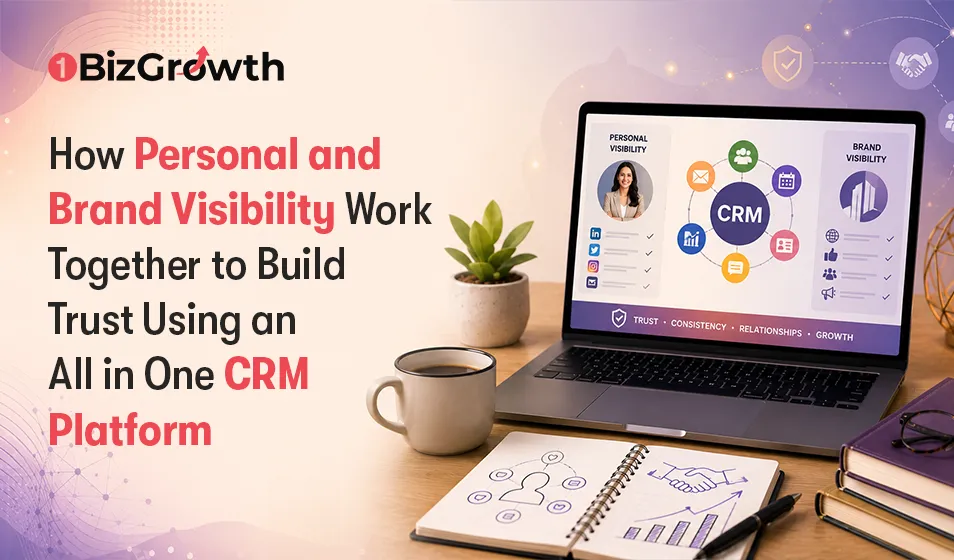
How Personal and Brand Visibility Work Together to Build Trust Using an All in One CRM Platform
Trust drives buying decisions. People want to know who they are dealing with before buying a product, signing a contract, or starting a partnership. But they also need to trust the company behind that person. True visibility requires balancing both. A lot of companies spend all their time promoting the corporate brand while ignoring the people running it. Other founders build massive personal followings but never connect that attention back to their actual business goals. The strategy that actually works is doing both at the same time. When leaders and brands show up consistently online, trust happens naturally.
Managing this is usually the hard part, which is where an all-in-one CRM helps. Instead of jumping between tools, you can run your marketing, client communication, and visibility campaigns from one dashboard. It makes it much easier to connect the faces behind the business to the brand itself, streamlining yourbrand trust buildingefforts in the process.
Understanding Personal Visibility
People buy from people, not logos. That is why personal visibility matters whether you are a consultant , a founder, or leading a sales team. It is mostly about getting in front of your audience, consistently. Think about how you actually consume content. You are way more likely to stop scrolling for a founder sharing a messy lesson from a recent product launch than for some polished corporate press release. Educational emails, webinars, and casual industry updates work because it feels like it came from a human, not a committee.
And once folks see your face, and read your thoughts every week, they start to get used to how you think. That familiarity turns into trust . In most cases trust is what starts the conversation that then turns into a client, kind of naturally after that.

Why Brand Visibility Still Matters
Putting your face out there helps people connect with you, but your brand needs to look solid and professional so they know you aren't just flying by night. A proper brand presence makes it obvious what you actually do and how you get results. That means your website, emails, reviews, and case studies all need to tell the same story. If your messaging is all over the place, people get nervous to buy. But when you balance personal visibility with a tight brand strategy, you get the best of both worlds. Your audience sees the real people running the show, backed by proof that the company can actually deliver.
The Relationship Between Personal and Brand Trust
Nobody buys anything after seeing a single post. Trust isn't built on first impressions; brand trust building happens when people see your name pop up over and over again, and you don't let them down. Think about how you actually buy things. You spot a LinkedIn post from a founder, click around their website, maybe sign up for their newsletter, read a couple of customer success stories, and eventually get a follow-up email. You're judging them at every single step.
If what that founder says on social media matches the vibe of the website and the actual sales process, you feel safe moving forward. But the second you notice a disconnect like a casual LinkedIn persona paired with a stiff, confusing website, you get skeptical. Personal branding and company marketing can't run in separate spaces. They have to say the same thing, or you're just wasting your time.
How an All in One CRM Platform Supports Visibility
Growing a business usually means managing a chaotic mess of tabs. You're tracking LinkedIn engagement in one window, firing off manual follow-ups in another, and hoping your customer data matches up somewhere in between. An all-in-one CRM fixes this by pulling everything into one dashboard. Say a prospect leaves a comment on a founder's LinkedIn post. Instead of letting that lead sit there, a CRM pulls their info into your pipeline automatically. From there, the system can drop them into a relevant email sequence or text them a booking link. It saves you from context switching every five minutes, and more importantly, it ensures prospects don't get lost in the cracks while you're busy running the actual business.
Creating Consistent Customer Experiences
When someone spots one thing on your Instagram, then gets this different story over email, and afterwards hears yet a third version from a sales rep, they lose trust really fast. This is especially damaging if you are trying to execute a cohesive personal branding strategy, where people just assume a business will have its story straight across the board like no side quests or weird detours. That is basically where an all-in-one CRM comes in. It keeps things from being scattered. It pulls together customer history, emails, and even the marketing files across five different apps so your team stays aligned, not guessing, because they’re looking at the same data in the same place, all together.
Using Automation Without Losing the Human Element
Automation is great for scaling your outreach, but you can’t automate trust. When a business leans on completely canned , automated messages, it starts to feel kinda cold and far away. The point is to use software strategically in the background, without hiding the actual people who are running the show. Solid CRM platforms should mostly take the routine weight off your team , so your folks can spend time on real, meaningful conversations.
Sure, things like automated email sequences, reminders, and follow ups are handy for keeping the regular touchpoints going. But it’s the not-really-scalable stuff - like a quick personal video, a direct message, or a casual note from a company leader that really builds credibility. Get the balance right and customers get the fast response times they want, without it feeling like they’re talking to some machine.
Measuring Visibility and Trust Building Efforts
The main reason to use an all-in-one CRM comes down to visibility. When everything lives in one system, you can track exactly how people interact with you, from the first website visit and email click to where they ultimately convert.
That data answers the questions most business owners guess at. Does personal content pull more engagement than a cold brand campaign? Where do prospects linger before they finally make a decision? When you know what's actually moving the needle, you can stop guessing, drop the fluff, and focus on the work that actually brings in revenue.
The Conclusion
When you build a brand, personal visibility and company visibility kinda need to move together. People want to connect with the actual human running the business, not just a logo or a nice slogan. But they also have to feel like the company can deliver, like reliably, every time. Finding the sweet spot between those two things through a clear personal branding strategy is what turns casual buyers into regular customers. An all-in-one CRM makes it simpler, because it keeps your email trails, your customer notes, and your marketing initiatives all in one dashboard. When your info isn’t scattered across five different tools, it’s way easier to stay on message and keep your promises to the people purchasing from you.
Looking for a better way to manage customer relationships, marketing, and brand growth from one platform? Contact the team at OneBizGrowth today and discover how our all in one CRM solutions can help you build stronger connections and grow your business with confidence.





